Molecular PCR testing plays a central role in the detection, monitoring, and study of critical infectious diseases. From emerging viral pathogens to high-impact bacterial and parasitic targets, PCR-based assays are relied upon for their sensitivity, specificity, and speed. Ensuring the reliability of these assays requires the systematic use of Critical Infectious Disease PCR Quality Controls.
These quality control materials are essential tools for validating assay performance, maintaining consistency across testing runs, and supporting robust molecular workflows in research, surveillance, and diagnostic laboratories. This article provides an educational, scientifically grounded overview of critical infectious disease PCR quality controls and their laboratory applications.
PCR and real-time PCR (qPCR or RT-qPCR) are widely used to detect infectious agents due to their ability to amplify trace amounts of nucleic acids. These methods are applied across:
Viral pathogen detection
Bacterial and fungal molecular diagnostics
Surveillance of high-consequence infectious diseases
Research into pathogen load, transmission, and assay development
Given the high stakes associated with infectious disease testing, rigorous quality control is fundamental to trustworthy results.
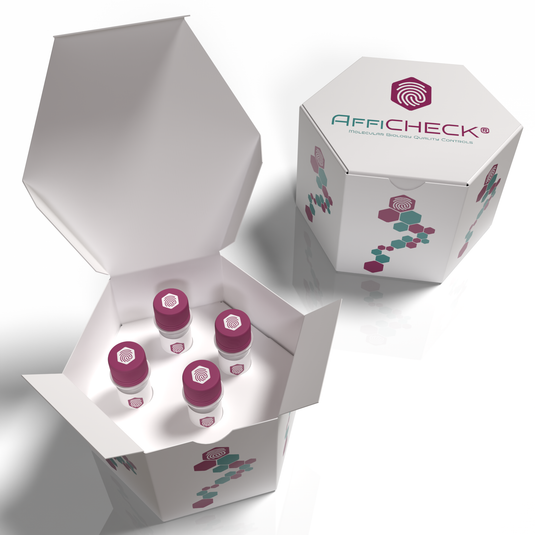
A Critical Infectious Disease PCR Quality Control is a standardized, non-infectious reference material containing defined nucleic acid sequences from one or more clinically or biologically significant pathogens. It is designed to be processed alongside test samples to confirm correct assay performance.
Key features typically include:
Well-characterized pathogen-specific target sequences
Known concentration or defined qualitative reactivity
Compatibility with PCR and real-time PCR platforms
Safe handling without exposure to live pathogens
These controls function as internal checkpoints for assay reliability.
PCR quality controls confirm that:
Amplification reagents are functional
Primers and probes bind correctly to their targets
Thermal cycling conditions are optimal
A successful control result validates the technical reliability of negative sample outcomes.
Incorporation of critical infectious disease PCR quality controls into each run allows laboratories to:
Detect reagent degradation
Identify operator or instrument-related variability
Monitor long-term assay stability
This practice supports continuous quality improvement in molecular testing workflows.
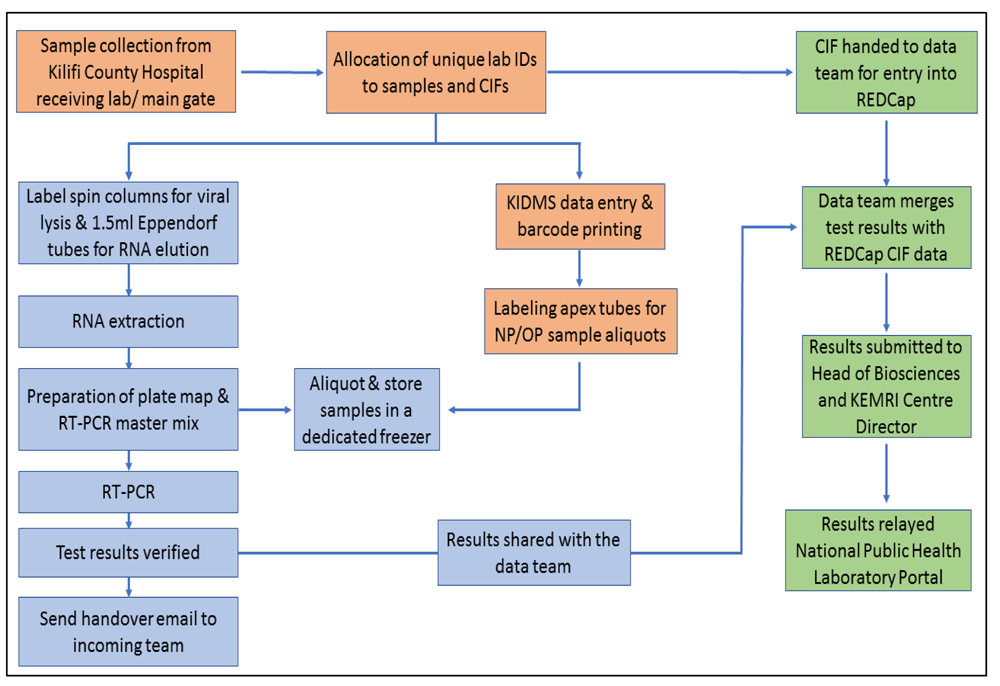
During method development, PCR quality controls are used to:
Optimize reaction conditions
Evaluate analytical sensitivity and specificity
Compare performance across platforms or reagent lots
They enable reproducible assay validation without reliance on variable biological specimens.
PCR quality controls provide consistent, predictable results, making them ideal for:
Training laboratory personnel
Internal audits and method verification
Inter-laboratory comparison studies
They support standardized performance evaluation across teams and institutions.
Compared to primary samples, critical infectious disease PCR quality controls offer:
Batch-to-batch consistency
Defined and traceable target content
Reduced biosafety and contamination risk
Simplified storage and logistics
These advantages make them indispensable for controlled laboratory environments.
Most critical infectious disease PCR quality controls are compatible with:
Conventional end-point PCR
Real-time PCR (TaqMan® and SYBR® Green formats)
Multiplex infectious disease panels
High-throughput molecular testing systems
They integrate seamlessly into established laboratory protocols.

To maintain optimal performance:
Store controls at recommended temperatures (typically −20 °C or −80 °C)
Avoid repeated freeze–thaw cycles
Use nuclease-free consumables
Prepare aliquots for routine use
Proper handling ensures long-term stability and reproducible amplification results.
Critical infectious disease PCR quality controls support:
Molecular surveillance programs
Evaluation of emerging pathogen assays
Standardization of testing across laboratories
Long-term monitoring of assay performance
Their use strengthens data reliability and contributes to high-quality infectious disease research.
Critical Infectious Disease PCR Quality Controls are essential components of modern molecular testing strategies. By providing stable, non-infectious, and well-defined reference materials, they ensure PCR assays deliver accurate, reproducible, and trustworthy results across a wide range of infectious disease applications.
For laboratories committed to excellence in molecular diagnostics and pathogen research, these quality controls form the backbone of reliable PCR-based testing.
critical infectious disease PCR quality control, infectious disease PCR control material, molecular diagnostics quality control PCR, pathogen PCR assay validation, real-time PCR infectious disease testing, PCR quality assurance laboratory, infectious disease molecular workflows